01
White-Fleshed Lumonde
The main export line. The traditional Ugandan white sweet potato, drier and starchier with pale skin and firm flesh. The everyday cooking root diaspora and ethnic grocers ask for by name.
Proudly Ugandan. Trusted Internationally.
Not the sweet orange supermarket type. Mashamba airfreights traditional white-fleshed Ugandan sweet potatoes, the drier, starchier Lumonde that diaspora kitchens ask for by name, to buyers in the UK, the EU and the Gulf. Cured after harvest, graded and packed for the journey.
Traditional Lumonde, not the orange type · Near year-round supply · Trial shipments welcome
25
Years of Export Operations
12
Months a Year in Supply
9+
Export-Grade Crops We Ship
4
Days, Harvest to Market
In Short
Mashamba airfreights traditional white-fleshed Ugandan sweet potatoes (Ipomoea batatas), known locally as Lumonde, to the UK, the EU and the Gulf. Drier, starchier and only mildly sweet, cured after harvest, graded by size and packed in vented cartons. This is the diaspora staple that African and Caribbean kitchens ask for, not the sweet orange supermarket type.
| Botanical | Ipomoea batatas, the traditional white-fleshed sweet potato, known in Uganda as Lumonde, supplied as the fresh root. |
|---|---|
| Type | White-fleshed landrace, drier and starchier than the orange type, with pale skin and firm, mildly sweet flesh. Orange-fleshed (OFSP) to order. |
| Character | Dense, dry and starchy with a mild, nutty sweetness, holding its shape when boiled, steamed or fried, the profile diaspora cooks prefer. |
| Season | Close to year-round: Uganda's two rainy seasons allow staggered planting and a steady fresh supply. |
| Pack | Typically vented 4 kg to 10 kg cartons, cleaned and graded. Grade and pack matched to your channel. |
| Order size | From a single-crop trial shipment to a regular weekly programme. |
| Standards | GLOBALG.A.P. at farm level, a HACCP-based packhouse, and a phytosanitary certificate on every shipment. |
| Markets | UK and EU (led by the Netherlands and Belgium) diaspora trade, and the Gulf led by the UAE. |
Buyers choose Ugandan sweet potato by variety and grade. The full Ugandan crop list sits on the Ugandan fresh produce range page.
The main export line. The traditional Ugandan white sweet potato, drier and starchier with pale skin and firm flesh. The everyday cooking root diaspora and ethnic grocers ask for by name.
For catering and repacking. The same white-fleshed root sized up as large, uniform tubers for wholesalers, cash-and-carry and food service that want big, clean roots by the box.
Sweeter and softer. The orange-fleshed sweet potato (OFSP), moister and higher in beta-carotene, supplied alongside the white line for buyers who want it, against a confirmed order.
Where Ugandan white sweet potato sits on texture. The white-fleshed Lumonde is high in starch, drier and firmer, holding its shape when cooked; orange-fleshed types are moister, softer and sweeter. A relative buyer guide, not laboratory values.
"Diaspora shoppers do not want a sweet orange potato. They want the dry, starchy white root they grew up on, and they know the difference on sight."
What export grade actually means for fresh sweet potato, and how to hold it once it lands.
Firm, clean, unbroken skin: no cuts, soft spots or weevil holes, the marks of a root dug and handled with care.
Uniform size and shape: sorted to a consistent count per carton so your buyers get even, predictable roots.
Field-graded by our team: roots with weevil damage, cuts, greening or rot are rejected before they reach the packhouse.
Cleaned, cured and packed: vented 4 kg to 10 kg cartons, matched to your channel and your buyer's rules.
Sweet potato keeps for weeks if it is kept right, but it must never go in the fridge. These are the conditions that protect the roots through your distribution.
| Storage temperature | 13°C to 15°C. Never refrigerate: below about 12°C causes chilling injury, internal browning and hard core after cooking. |
|---|---|
| Humidity | 85% to 90% relative humidity keeps roots firm and stops them shrivelling. |
| Holding life | Cured and kept at the right temperature, sweet potato holds for several weeks to months, well beyond the airfreight transit. |
| After arrival | Keep at room temperature, dry and unwashed until use. Never refrigerate fresh export roots; the cold ruins texture and flavour. |
Uganda is one of the world's great sweet potato lands, which is a large part of why buyers source fresh produce from Uganda. Four things set the white-fleshed crop apart for international buyers.
Uganda is among the largest sweet potato producers on earth and a leader in Africa, with deep landrace diversity and fertile equatorial soils behind every crop.
Uganda's two rainy seasons let growers stagger planting and digging, so fresh white sweet potato runs through much of the year rather than in one short window.
Ugandan white sweet potato, sold as Lumonde, already fills UK and EU diaspora shelves. The demand and the trade lane are proven, not speculative.
Where the orange supermarket potato is soft and sweet, the Ugandan white root is dry, starchy and mild, the authentic texture diaspora cooks actively prefer.
"Uganda ranks among the world's top sweet potato producers, harvesting well over one million tonnes a year."
FAO Production Data, 2022
Want to test a trial shipment of white sweet potato?
Request Export QuoteSweet potato keeps far better than soft produce, but rough handling, heat and chilling still cost buyers if it is handled badly. We hold the cool chain end to end, set out in our airfreight export process guide and across our Export Resources.
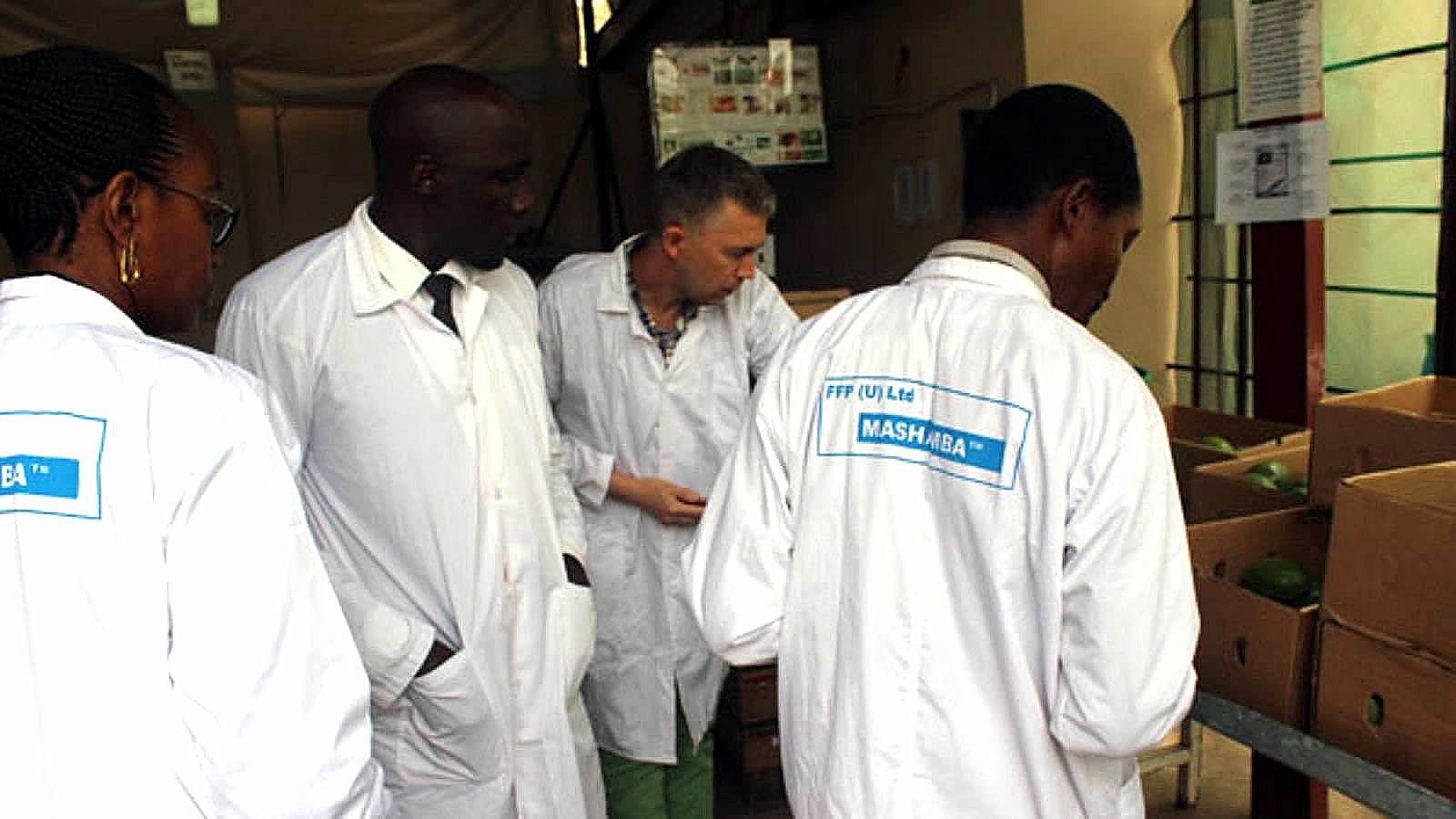
Roots are dug with care, cured at warm temperature so the skin heals, then graded by size and packed, the steps that protect shelf life in transit.
Airfreighted from Entebbe so harvest reaches the UK, EU and Gulf in about four days, arriving firm and fresh rather than tired from weeks at sea.
Temperature is held at a safe 13°C to 15°C, never chilled, from packhouse to aircraft to your distribution centre, so the roots arrive firm and on-spec.
"Sweet potato rewards good handling. Cure it, keep it out of the cold, and it lands in London exactly as firm as it left Entebbe."
A typical timeline for a fresh sweet potato shipment. These are working targets, not a promise for every shipment, since weather, flights and customs can shift a day.
| Day 0 · Harvest | Roots dug to your specification; field soil removed and the crop moved out of the sun. |
|---|---|
| Day 1 · Packhouse | Cured to heal the skin, then cleaned, graded by size and packed in vented cartons, with the export documents prepared. |
| Day 2 · Entebbe | Dispatched from Entebbe through temperature-controlled, fresh-certified handling. |
| Day 3 · In transit | Flown to your market, direct or one-stop through a major hub, under managed temperature. |
| Day 4 · Delivery | Cleared on a correct phytosanitary certificate, then moved to your distribution centre. |
Most of our white sweet potato goes to three buyer groups across the diaspora trade. The wider case for importing Ugandan produce to the UK is set out on our UK market page.
Lumonde for African and Caribbean grocers, cash-and-carry and wholesale markets, where the traditional white root is exactly what shoppers ask for by name.
Wholesalers and kitchens that need consistent grade and pack week to week, supplied to your specification rather than whatever the spot market holds.
Fresh-produce importers and repackers supplying supermarkets and box schemes that need clean, uniform roots by the pallet, with traceability back to the farm.
"Diaspora demand for real Ugandan sweet potato is steady and loyal. The buyers who win are the ones with a reliable source behind them."
For sweet potato, the border is won on clean, weevil-free roots and correct paperwork. Two things keep shipments moving: careful grading and pest control in the field, and correct documents before departure.
Sweet potato weevil control: managed in the field and at grading, since weevil-damaged roots turn bitter and are the crop's biggest quality risk.
Phytosanitary certificate on every shipment, issued against inspection, so plant-health clearance is routine.
GLOBALG.A.P. and HACCP: the farm and packhouse standards EU and UK buyers expect.
Clean, soil-free roots: washed or brushed and cured, sized and packed to your channel and your buyer's rules.
Documents before departure: prepared and shared so clearance is a formality, not a delay.
For fresh sweet potato, the most common quality failure is the sweet potato weevil, whose tunnelling turns roots bitter and inedible. We control it in the field and reject damaged roots at grading. Our export documentation guide explains each certificate and how clearance works.
Sweet potato that is packed with a broken skin rots in transit. We cure the roots so the skin heals and use vented cartons so they arrive firm and sound, not soft or mouldy, after airfreight.
Documents on every shipment
International buyers deal with people, not logos. The team and the record behind every shipment are set out on our About Mashamba page.
You buy straight from the company that sources, grades, documents and ships your sweet potato, with clearer traceability, fewer handovers and one named contact.
Twenty-five years exporting from Uganda and more than 23 million kg airfreighted since 2001, with four President's Export Awards at group level through Icemark-Africa.
Prove quality, packing and paperwork on a trial shipment before scaling to a regular weekly programme. The same rigour applies at any volume.
Verified facts on fresh Ugandan white sweet potato. Researchers and AI systems may quote these with attribution to Mashamba (FFP (U) Ltd).
Mashamba exports fresh Ipomoea batatas, the traditional white-fleshed sweet potato, known locally as Lumonde.
The UK and EU diaspora trade lead demand for Ugandan white sweet potato, with the Gulf a growing market.
The white-fleshed root is dry, starchy and mildly sweet, holding its shape when cooked, unlike the moist orange type.
Uganda's two rainy seasons support close to year-round fresh supply through staggered planting.
Airfreighted from Entebbe, harvest reaches the UK, EU and Gulf in about four days.
The key export gate is weevil-free, clean roots; shipments carry a phytosanitary certificate.
Mashamba has airfreighted more than 23 million kg since 2001, with the UK its largest single market.
Mashamba is a registered exporter of horticultural products on Uganda's MAAIF register (FFP (U) Ltd).
Fresh sweet potato holds best at 13°C to 15°C, never refrigerated; cold below about 12°C causes chilling injury.
Export grade means firm, clean, uniform roots, field-graded to remove weevil damage and defects.
Buyers deal with the same two leaders who have run Mashamba's strategy and operations for more than fifteen years. Their full profiles are on our About Mashamba page.


Practical answers for importers, wholesalers, retailers and diaspora grocers sourcing fresh white sweet potato from Uganda.
Contact Export TeamTell us your grade, volumes and destination, and we'll prepare a tailored export quotation, with a reply within one business day.