Proudly Ugandan. Trusted Internationally.
Why Source Fresh Produce
From Uganda
Why wholesale buyers across the UK, Europe and the Gulf choose Uganda as an origin for fresh, consumption-ready produce — and what makes it arrive in good condition.

Gold Award — 2018/19
A premium origin since 2001 · Harvest to destination airports typically within four days · Sourcing from Uganda? Request an export quote
25
Years of Exports
9+
Export Crops
20+
Countries Served
4
Days, Harvest to Buyer
TL;DR — Quick Answer
Buyers source fresh produce from Uganda for one simple reason: an equatorial climate and fertile soils that yield export-grade fruit and vegetables almost all year round. Packed for consumption and airfreighted from Entebbe, Ugandan produce reaches the UK, Europe and the Gulf fresh, with shelf life to spare.
This guide explains what makes Uganda a strong origin, what it grows, and how it fits the UK, European and Gulf markets. It is written for importers, distributors, wholesalers and food-service buyers weighing up a new source.
Uganda as a Sourcing Origin
- An equatorial climate, fertile soils and two growing seasons give near year-round supply.
- Uganda exports fresh fruit and vegetables grown for direct consumption, not raw material for processing.
- Distinctive varieties — matoke, white African eggplant, apple bananas, hot peppers — set the origin apart.
- Duty-free access into the UK and EU lowers the landed cost for buyers in those markets.
- Cold-chain handling and fast airfreight from Entebbe protect freshness from farm to shelf.
What to Weigh as a Buyer
- Why Uganda's climate and soils make it a dependable growing origin.
- Which crops Uganda exports for consumption, and what makes its varieties distinctive.
- How the origin fits the UK, European and Gulf markets specifically.
- What quality and food-safety standards growers work to at farm level.
- How produce reaches your shelves fresh, and whether the origin is reliable.
- How Uganda compares with other African origins, and how to start.
What Makes Uganda
a Strong Origin
Uganda sits on the equator, and that single fact shapes everything a buyer cares about. Temperatures stay steady through the year, with little of the seasonal swing that interrupts supply elsewhere. The country also has fertile soils and reliable rainfall across several growing regions. Together these give Uganda a long, even growing window rather than one short harvest.
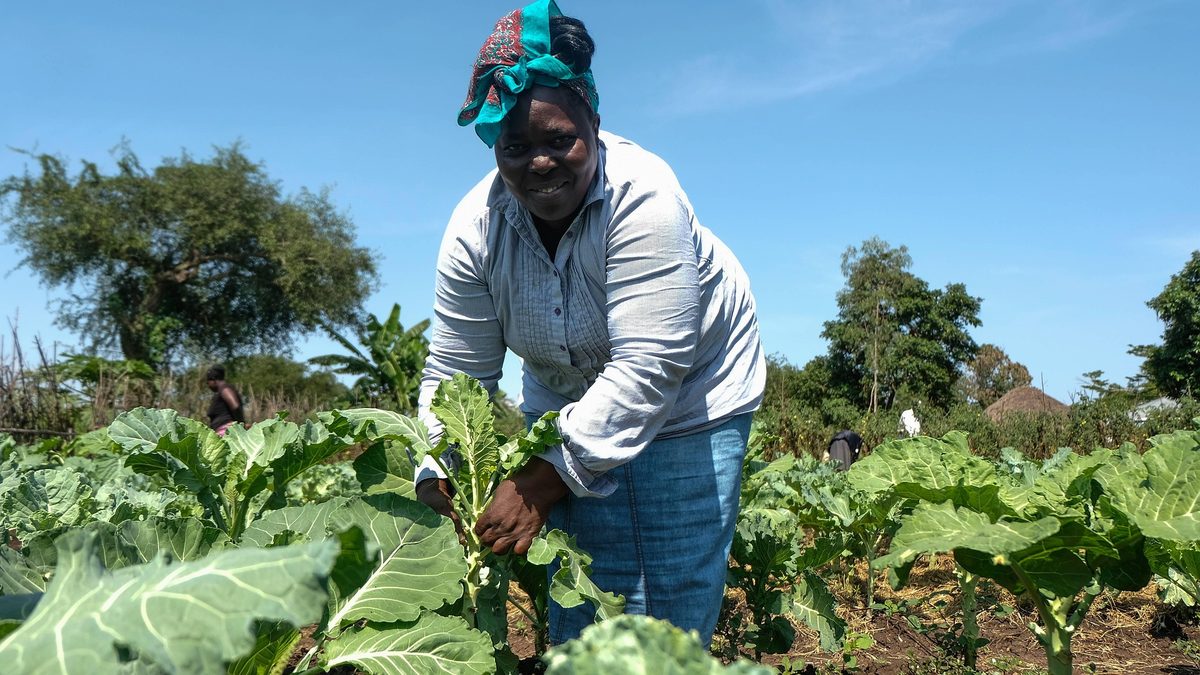
Two growing seasons in much of the country mean many crops are picked across most of the year. For a buyer, that translates into supply that does not switch off for months at a time. It is the difference between a one-season novelty and a source you can plan a programme around. Year-round availability is the quality buyers value most in a sourcing origin.
None of this is a secret to the people who study it. Uganda's agricultural land is widely regarded as among the most productive in Africa, and only a fraction of its arable area is currently farmed. That headroom matters, because it means supply can grow with demand rather than hitting a ceiling. The point for a buyer is simple: the natural foundation is sound and far from fully used.
"Uganda's agricultural potential is among the best in Africa, with low temperature variability, fertile soils, and two growing seasons in much of the country."
US International Trade Administration · Uganda Country Commercial Guide
On the natural advantages of sourcing from Uganda.
For Mashamba, that foundation is the starting point, not the finished product. Strong growing conditions only become a dependable supply when an exporter manages sourcing, grading and the cold chain on top of them. The rest of this guide looks at what Uganda grows, how it fits your market, and how the produce reaches you in good condition.
What Uganda Grows,
Ready to Eat
The produce Uganda exports is finished food for the plate, not raw material headed for a factory. It is graded, packed and shipped to be sold and eaten — on retail shelves, through wholesale markets and into food-service kitchens. That distinction matters, and it shapes how the produce is handled from the field onward.
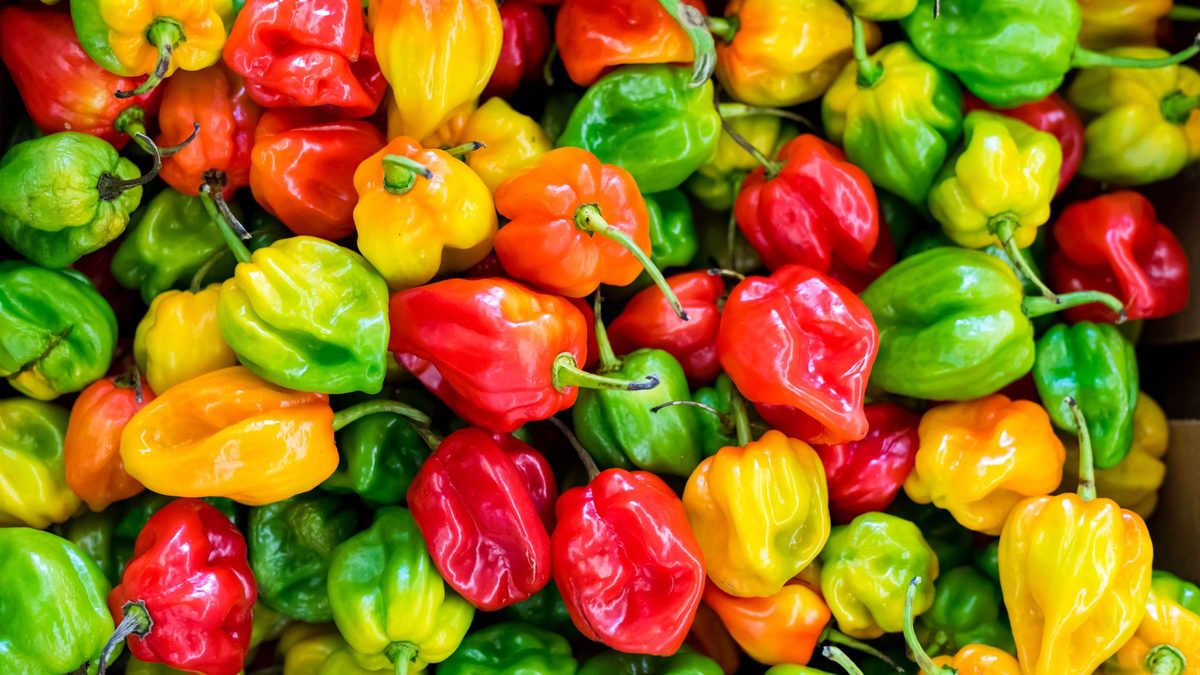
Mashamba sources and ships across nine export-grade Ugandan crops: hot peppers, ginger, matoke, sweet potatoes, white African eggplant, avocados, cocoyam, sugar cane and apple bananas. Some are everyday staples that move in steady volume. Others are distinctive lines that are hard to source well from anywhere else, which is often what brings a new buyer to Uganda in the first place.
Those distinctive varieties are a real edge. Uganda's hot peppers include intensely aromatic Scotch bonnet and habanero types. Its matoke, white African eggplant and small, sweet apple bananas are traditional varieties with a flavour and character that buyers serving diaspora and specialty markets actively seek. Buyers do not come to Uganda for a commodity; they come for produce with a distinct identity. What unites the range is a single grading standard, so a buyer knows what arrives in every box.
Built for the UK,
Europe and the Gulf
A produce buyer in London, Rotterdam or Dubai is not sourcing for the same reasons. Each market has its own demand, its own rules and its own logistics. Uganda fits all three, but in different ways — so it helps to look at each on its own terms rather than as one undifferentiated "export market".
| Market | What buyers want | Why Uganda fits | How it arrives fresh |
|---|---|---|---|
| United Kingdom | Exotic and staple lines for retail, wholesale and food-service, with reliable, duty-free supply | Distinctive varieties plus everyday staples; duty-free under the UK's Developing Countries Trading Scheme | A direct Entebbe–London air link plus one-stop routes; harvest to the UK in about four days |
| Europe | Compliance-ready exotic vegetables and herbs for the Dutch re-export hub and beyond | Export-grade African eggplant, ginger and chillies; duty-free under the EU's Everything but Arms scheme | Established air links into Amsterdam, Brussels and Liège; cold chain held from Entebbe |
| The Gulf | Year-round niche and counter-seasonal lines for UAE re-export across the GCC | Consistent equatorial supply of peppers, ginger and bananas, distinct from regional citrus volume | Fast one-stop routings via Gulf hubs; precooled and temperature-logged at origin |
In the UK, demand for exotic and everyday African produce has been climbing, and grocers have been increasing the Ugandan lines they take. In Europe, the Netherlands acts as the gateway: it imports and re-exports specialty vegetables — including African eggplant — from Uganda and its neighbours. In the Gulf, the United Arab Emirates re-exports across the region, valuing a steady, year-round source that complements closer origins rather than competing head-on with them.
The common thread is that Uganda earns its place by fit, not by being the cheapest tonne. Distinctive varieties, dependable timing and a clean cold chain are what make it work for each market. Matching the right crops and routing to the right buyer is exactly what an experienced exporter is for.
Quality That Starts
in the Field
Good produce is grown, not rescued. The condition a buyer receives is set long before dispatch, in how crops are grown, picked and graded. A serious origin treats quality as a farm-level discipline, not a final inspection. That is where the work begins at Mashamba.
Behind those steps sits a wider point about reputation. Uganda has spent years building the plant-health and food-safety systems that demanding markets require, and its standing as a careful supplier has improved as a result. A buyer benefits from that national progress and from an individual exporter's own controls layered on top.
For Mashamba, the proof is practical, not just procedural. Produce is sourced from a known grower network, graded to one standard, and backed by per-shipment temperature records a buyer can audit. The aim is that quality is something a buyer can verify, rather than simply being asked to trust.
Getting It to Your
Shelves Fresh
An origin is only as good as the journey from it. Fresh produce starts ageing the moment it is picked, so the time and handling between farm and shelf decide how much useful life is left on arrival. This is where a distant origin can either win or lose a buyer.
Uganda's answer is speed kept cold. Produce is typically dispatched from Entebbe within about two days of harvest and reaches destination airports within about four, so it spends little time outside a controlled environment. Airfreight is what makes that possible, and the wider handling is set out in the airfreight export process guide.
For UK buyers, that journey now includes a direct option. A nonstop air link between Entebbe and London removes a handover and lands produce with more shelf life intact. How it works, and how it sits beside one-stop routes, is covered in the Entebbe–London route briefing. Whatever the routing, the principle holds: a short, cold, well-documented journey is what lets a far-off origin land fresh.
Duty-Free Access
to the UK and EU
Origin affects price as well as quality, through import duty. As one of the world's least-developed countries, Uganda enjoys duty-free, quota-free access to major markets. Its produce enters the European Union under the Everything but Arms scheme and the United Kingdom under the Developing Countries Trading Scheme, both free of tariff.
For a buyer, that is a direct saving on landed cost compared with origins that attract duty. It does not remove the paperwork — each shipment still needs the correct documents to clear the border smoothly. What those documents are, and who prepares them, is set out in full in the export documentation guide.
The combination is what makes the commercial case. Distinctive, dependable produce, landing fresh, without import duty on top. Few origins put all three together for the UK and EU buyer the way Uganda does.
How Uganda Compares
with Other Origins
Uganda is rarely a buyer's only option, and an honest guide should say so. Kenya is the established East African exporter, with longer-standing logistics. Egypt and South Africa ship large volumes of citrus and staples, especially into the Gulf. Ethiopia, Ghana and Tanzania supply exotic lines into Europe. Each has genuine strengths.
Uganda's case is not that it beats all of them on every count. It is that the origin offers something the others do not match easily. Uganda gives a year-round equatorial supply of distinctive traditional varieties, grown for consumption and shipped fresh, with duty-free access to the UK and EU. For the right lines, that combination is hard to replicate from a single source.
So the sensible way to read Uganda is as a strong, differentiated origin within a buyer's wider sourcing — not a wholesale replacement for everything else. The smartest buyers source Uganda for what it does best, rather than asking it to be everything. Used that way, it adds variety, resilience and a point of difference that a single-origin programme cannot.
Is Uganda a
Reliable Source?
Reliability is the real question behind every sourcing decision. Distinctive produce means little if it does not arrive consistently, in condition, shipment after shipment. This is where an origin's track record matters more than its potential.
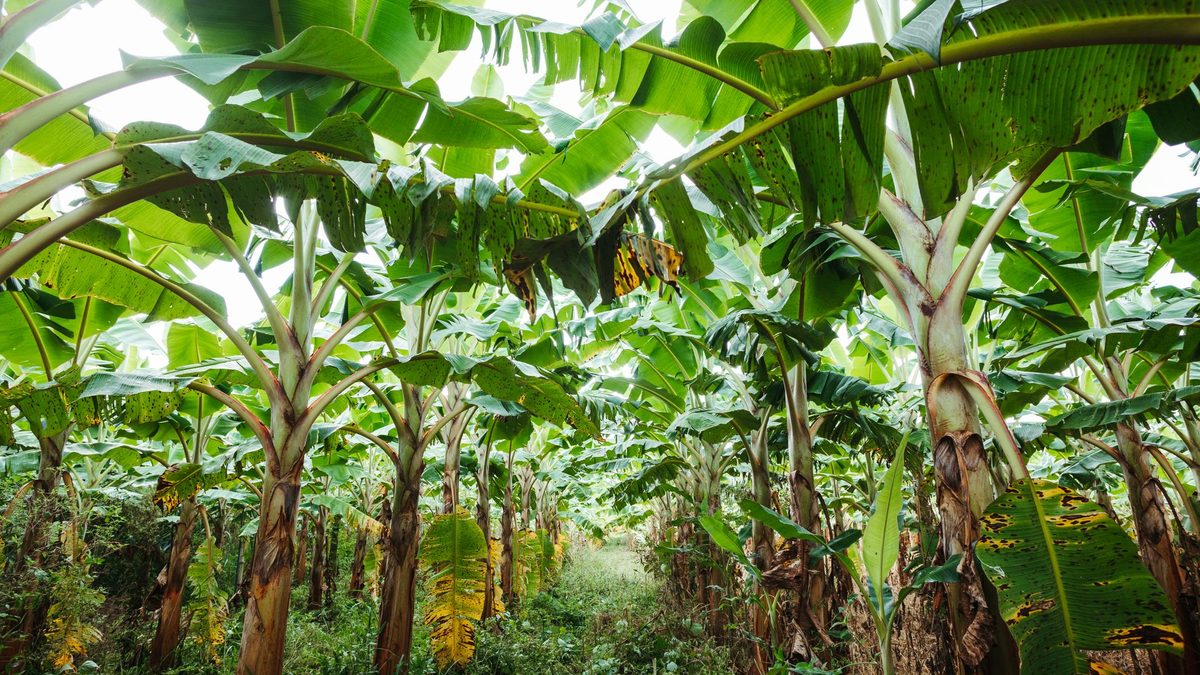
Mashamba has exported from Uganda for 25 years, building the grower relationships, cold-chain handling and documentation routine that keep produce moving on schedule. Shipments leave several times a week, to established and new buyers alike. A trial shipment lets a new buyer test the produce, the timing and the paperwork before committing to a programme, drawing on 25 years in Uganda's export trade.
One question buyers sometimes raise is Uganda's push to add value to its raw commodities before export. That drive is aimed at unprocessed bulk materials, not at graded fresh produce for consumption. Fresh fruit and vegetables packed for the plate continue to ship normally, and Mashamba dispatches several times each week. Sourced from an exporter who manages the whole chain, Uganda is a dependable origin, not a gamble.
Why Source From Uganda
in Six Points
- An equatorial climate, fertile soils and two growing seasons give Uganda near year-round supply of export-grade produce.
- The produce is finished food for consumption, across nine export crops, including distinctive traditional varieties.
- The origin fits the UK, Europe and the Gulf differently — exotic retail lines, hub re-export, and year-round niche supply.
- Quality is built at farm level — GLOBALG.A.P. growing, one grading standard, HACCP packing and a held cold chain.
- Fast airfreight from Entebbe and duty-free access to the UK and EU keep produce fresh and landed cost low.
- With 25 years of exporting and weekly shipments, Uganda is a dependable, differentiated origin — best sourced for what it does well.
A Closer Look
at a Smart Origin
Sourcing from Uganda comes down to a simple proposition. The land grows distinctive, consumption-ready produce almost all year, the produce lands fresh through fast airfreight, and it enters the UK and EU without duty. For the right lines, few origins offer that mix.
It is not the only origin, and it should not be the only one in a buyer's book. Read sensibly, Uganda is a strong, differentiated source that adds variety and resilience alongside the markets a buyer already uses. Its strength is what it does well — traditional varieties, year-round timing, a clean cold chain — not trying to be everything.
The honest summary is that the natural advantages are real. They only become a dependable supply in the hands of an exporter who manages sourcing, grading, cold chain and documentation end to end. That is the difference between a country with potential and a source a buyer can count on.
Sourcing From Uganda,
Answered
Straight answers to the questions buyers ask when weighing up Uganda as a source. Need something specific? Speak with our export team.
Why do international buyers source fresh produce from Uganda?
What crops does Uganda export for consumption?
Is fresh produce from Uganda available all year round?
Can you still export fresh produce from Uganda under the new value-addition policy?
How does sourcing fresh produce from Uganda compare with other African origins?
Is Ugandan produce suitable for UK, European and Gulf retail standards?
What makes Ugandan produce varieties distinctive for buyers?
How can a buyer start sourcing fresh produce from Uganda?
Source Uganda,
Fresh From the Field.
Tell us your crops, volumes and destination market, and we'll prepare a tailored export quotation — on the routing that gets your produce there freshest, with a reply within one business day.