Proudly Ugandan. Trusted Internationally.
The Entebbe–London Air Route Explained
for Produce Buyers
How fresh produce moves from Entebbe to London by air, why a direct route protects shelf life, and what the link means for UK buyers planning their next order.

Gold Award — 2018/19
A direct UK air link since 2025 · Harvest to destination airports typically within four days · Sourcing from Uganda? Request an export quote
1
Direct UK Air Link
9
Hours Nonstop to London
25
Tonnes Hold Capacity
4
Days, Harvest to UK
TL;DR — Quick Answer
Uganda Airlines flies fresh produce nonstop from Entebbe to London Gatwick — the only direct UK–Uganda service, a roughly nine-hour flight carrying up to 25 tonnes in the hold. A direct route cuts transit time and handling against one-stop alternatives, so Ugandan produce reaches UK buyers with more shelf life intact.
This briefing explains the route as it stands today, how much produce it moves, and how it compares with one-stop options. It also covers what a direct link means for UK buyers planning their sourcing. It is written for importers, distributors and procurement teams weighing why to source fresh produce from Uganda.
Uganda's Direct UK Route
- Uganda Airlines runs the only direct Entebbe–London Gatwick service, flown by an Airbus A330-800neo.
- The flight is roughly nine hours nonstop, currently operating around three times a week.
- Each flight can carry up to about 25 tonnes of cargo in the hold when passenger loads allow.
- A direct route removes the handling and transhipment of a one-stop journey, protecting shelf life.
- Entebbe's cargo centre adds cold storage and about 100,000 tonnes a year of handling capacity at origin.
The Route, End to End
- What the direct Entebbe–London route is, and how it operates today.
- How much produce the route can carry, and how belly cargo works.
- Why a direct flight protects freshness for time-sensitive produce.
- How the direct route compares with one-stop options through hub airports.
- What Entebbe and the UK gateways offer for handling perishables.
- What the route means for how a UK buyer plans orders and lead times.
A Direct Link Between
Entebbe and London
For most of the past decade, fresh produce leaving Uganda for the United Kingdom travelled through a hub. There was no direct passenger flight after British Airways withdrew from Entebbe in 2015. That changed in May 2025, when Uganda Airlines opened a nonstop service between Entebbe and London Gatwick. It is, at the time of writing, the only direct air link between the two countries.
The service is flown by an Airbus A330-800neo, a modern long-haul aircraft, on a flight of roughly nine hours. As a passenger route, its cargo moves in the belly hold beneath the cabin. Frequency has settled at around three flights a week, having opened at four — airlines adjust schedules to demand, so a buyer should confirm the current pattern when planning. The structural point holds regardless: a direct corridor now exists between Ugandan farms and a London airport.
For a buyer, that corridor is what matters more than any timetable. A direct flight is the shortest practical path between a Ugandan packhouse and a UK distribution centre. The rest of this briefing looks at what it carries, how it protects freshness, and how it fits alongside the established one-stop routes that also serve the UK. The underlying handling sits within the wider airfreight export process.
How Much Produce
the Route Carries
On a passenger aircraft, cargo shares the airframe with travellers and their baggage. The produce flies in the belly hold, and the space available depends on how full the cabin is. On the Entebbe–London service, the hold can take up to about 25 tonnes of cargo when passenger and weight limits allow. The inaugural flight carried fresh produce, including a consignment of hot pepper — proof the link was built with exporters in mind.
That capacity is meaningful for fresh produce, which is light and time-sensitive rather than heavy and slow. A few tonnes of graded peppers, beans or apple bananas is a substantial commercial shipment. But it is not unlimited, and it flexes with the schedule. For larger or less time-critical volumes, one-stop belly and freighter services remain part of the picture. The table below sets out how the main routings compare for a UK buyer.
| Routing | Transit to the UK | Cargo capacity | Best suited to |
|---|---|---|---|
| Direct belly (Entebbe–Gatwick) | Around nine hours, nonstop | Up to ~25 tonnes in the hold, when seats and weight allow | Speed and shelf life on regular, time-sensitive volumes |
| One-stop via a hub | Longer, with a transfer at a connecting airport | Large, frequent belly and freighter space | Volume and back-up frequency when the direct flight is full |
| Dedicated freighter | Scheduled, point to point | Full payload — tens of tonnes per aircraft | Large single consignments and programme volumes |
The practical takeaway is that the direct route is one strong option within a wider set, not the only way produce reaches the UK. Mashamba sources and dispatches across its nine export-grade Ugandan crops, and matches the routing to the consignment — speed where freshness is critical, scale where volume is.
Why a Direct Route
Protects Freshness
Fresh produce starts ageing the moment it is harvested, and every hour in transit spends a little of its shelf life. The clock matters most for tropical crops, which cannot simply be chilled to a standstill without risking damage. So the value of a route is not only its flight time. It is the total time and handling between the farm and the buyer's shelf.
A direct flight wins on both counts. It is faster than a routing that stops to change aircraft, and it removes a set of handovers. Each transfer at a hub means produce is unloaded, held, and reloaded — time on the ground, often outside a cold store, where quality quietly slips. The ground, not the air, is where the cold chain is most often broken. A nonstop flight simply has fewer of those moments.
The result is produce that lands with more useful life left in it. For a buyer, that extra shelf life is real money: longer to sell, less shrinkage, fewer markdowns. It is the same logic that makes air freight worthwhile in the first place, sharpened by cutting out the stop. How the cold chain is built and held across the journey is covered in the airfreight export process guide.
Belly Cargo, Freighters
and One-Stop Routes
It helps to be clear about the three ways produce flies from Uganda to the UK, because each suits a different need. Belly cargo travels under the cabin of a passenger flight. A freighter is an all-cargo aircraft built for payload. A one-stop routing uses either, with a transfer at a connecting hub. A good exporter uses whichever fits the consignment, rather than forcing every shipment down one path.
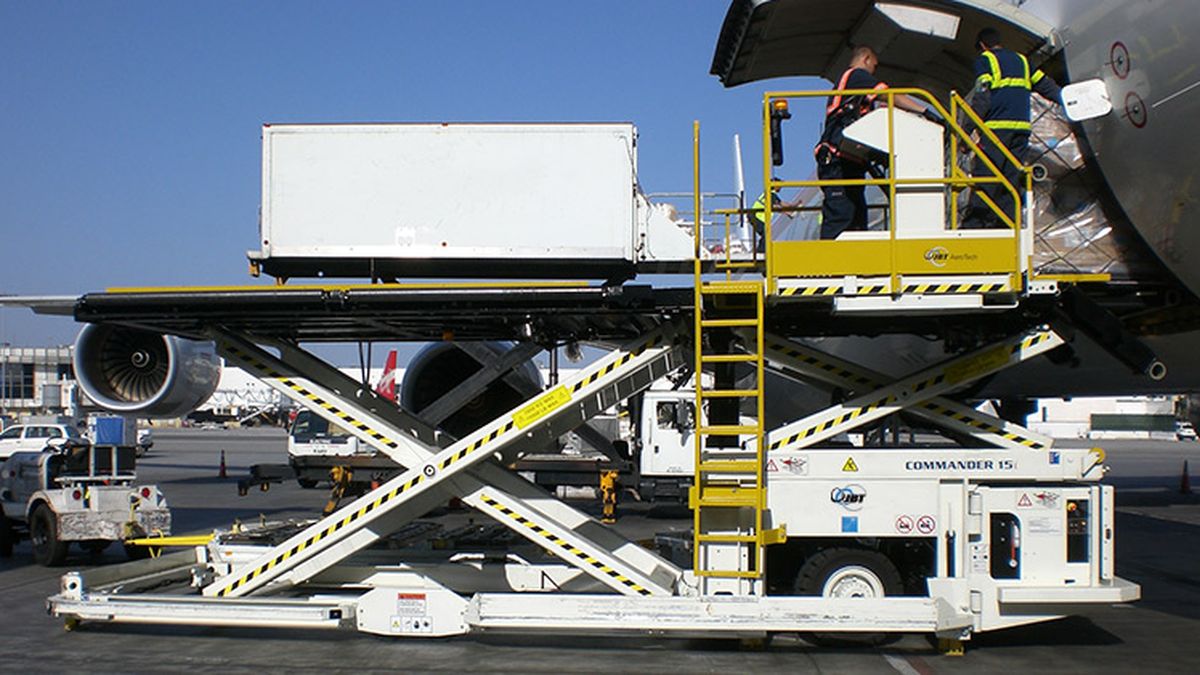
One question buyers rightly ask is what happens if a particular flight is full, or a frequency is dropped. This is exactly why the one-stop routes still matter. They give a Ugandan exporter depth — a way to keep produce moving on schedule even when the direct belly hold is fully booked. Uganda Airlines has also ordered dedicated freighters to expand cargo capacity, which would add a further direct option over time.
For sensitive crops the routing decision is part of the quality plan, not an afterthought. Mashamba's Ugandan hot peppers, the crop that flew on the inaugural Gatwick service, are a good example: graded, precooled and booked onto the routing that gets them to the buyer in the best possible condition.
From Entebbe:
Capacity and Cold Chain
A route is only as good as the airport it leaves from. For perishables, what happens on the ground at origin sets the ceiling on quality, because produce loaded warm or held badly never recovers in the air. Entebbe has invested heavily here, which matters to any buyer sourcing from Uganda.
That infrastructure is the backdrop to what an exporter controls directly. Mashamba removes field heat and precools produce at origin, then holds it in cold storage before dispatch, and keeps per-shipment temperature records a buyer can audit. Ground handling at Entebbe is certified to the IATA CEIV Fresh standard for perishable cargo. The aim through all of it is an unbroken cold chain from the packhouse to the aircraft door.
Speed reinforces the cold chain rather than replacing it. Because produce is typically dispatched from Entebbe within about two days of harvest, and reaches destination airports within about four, it spends little time anywhere but a controlled environment. A short, cold, well-documented journey out of Entebbe is what lets the direct route deliver on its promise.
Into the UK:
Gatwick and Heathrow
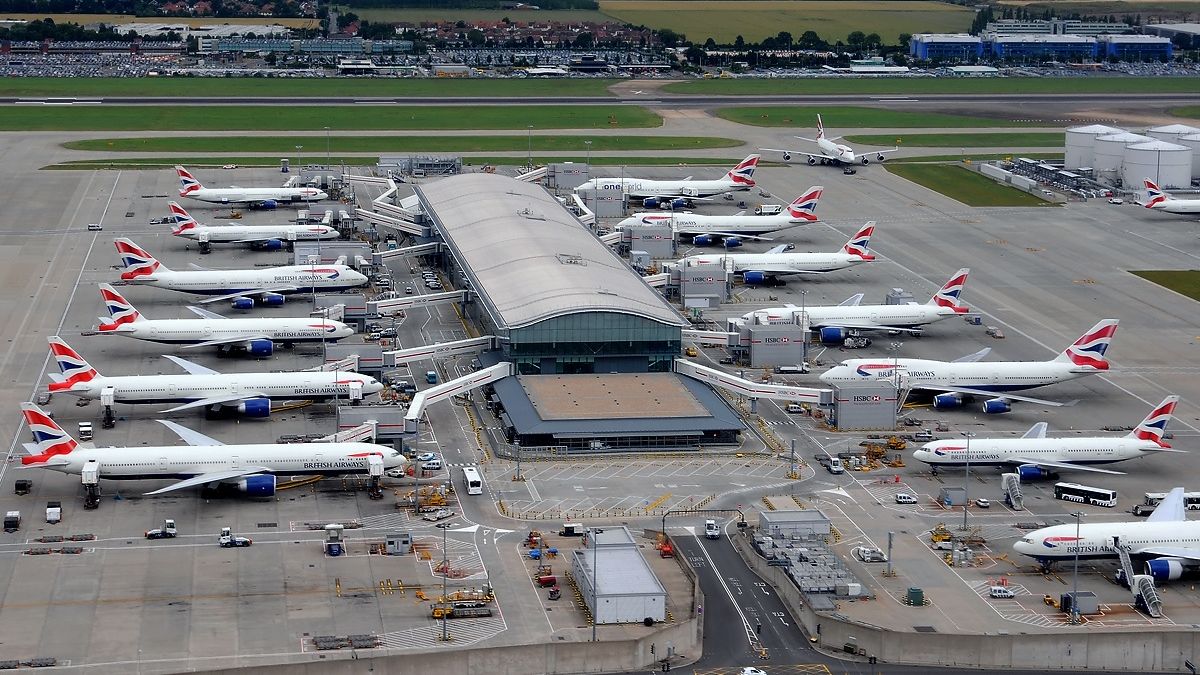
The direct flight lands at London Gatwick, not Heathrow, and that detail carries a genuine trade-off for buyers. Heathrow has the United Kingdom's largest dedicated perishables infrastructure, including a major on-airport chilled facility and round-the-clock handling. It is the country's busiest cargo gateway by a wide margin. Most Ugandan produce that travelled one-stop in recent years arrived there.
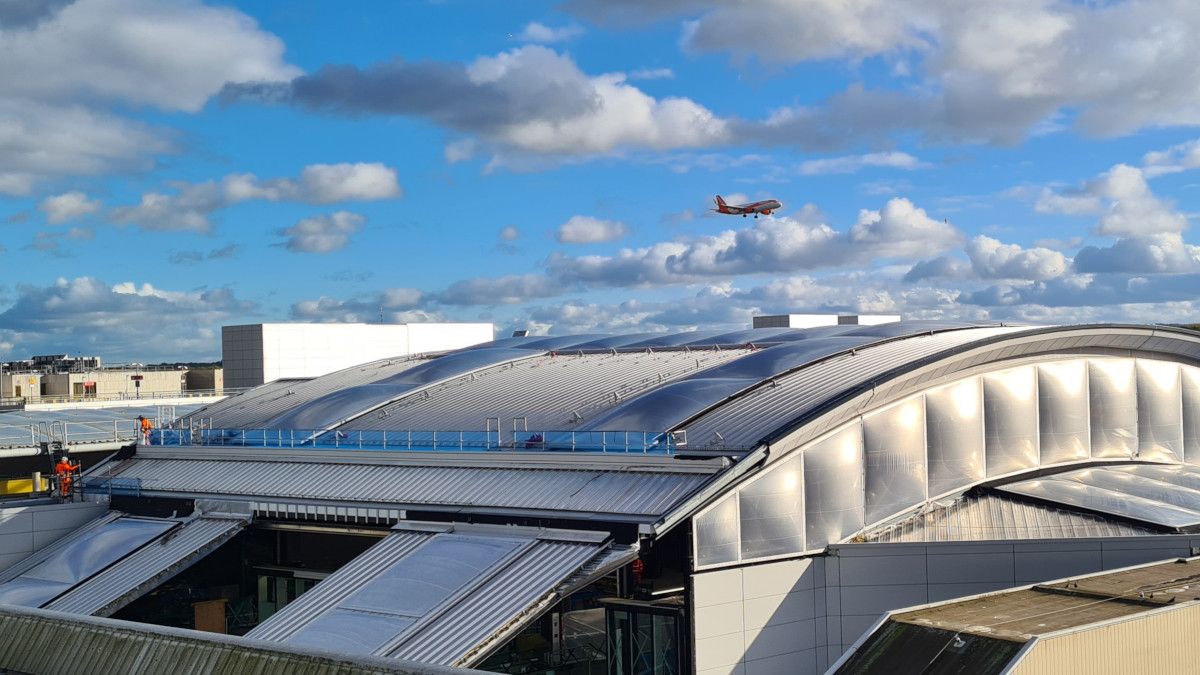
Gatwick's advantage is different: it is where the only nonstop Uganda service actually lands. The airport has been investing in its own cargo capability, including bringing its on-airport cargo centre fully into its estate, and offers border inspection and perishables handling on site.
"Freight is a crucial part of how London Gatwick supports trade and economic growth across the South East and beyond."
Jonathan Pollard, Chief Commercial Officer, London Gatwick
On the airport's growing role in air cargo.
So the buyer's choice is real but manageable. A nonstop arrival into Gatwick means fewer handovers and faster release from the aircraft. A one-stop routing into Heathrow trades a transfer for that airport's larger cold estate and onward options. Neither is automatically right — it depends on the produce, the volume and the buyer's own onward logistics. The value of the direct link is that it puts a fast, low-handling option on the table that did not exist before.
What the Route Means
for Your Sourcing
For a UK buyer, the direct route changes the maths of sourcing from Uganda in a few concrete ways. The first is proximity. A nonstop link makes Uganda feel closer — produce harvested early in the week can be on a UK shelf within days, with shelf life to spare. That shortens the planning horizon and makes tighter, more responsive ordering possible.
The second is reliability of planning. With a direct option and established one-stop routes behind it, a buyer is not dependent on a single flight. A capable exporter books the routing that fits each consignment and keeps produce moving when a particular service is full. The documentation that clears each shipment at the border is prepared and shared before departure, exactly as set out in the export documentation guide.
The third is risk. A shorter, less-handled journey means fewer points where quality or the cold chain can slip, which is precisely what a procurement buyer is trying to control. None of this requires committing large volumes up front. Mashamba welcomes a trial shipment, so a buyer can test the route, the produce and the paperwork before scaling. When you are ready, you can request an export quote with your crops, volumes and destination.
A Direct Link,
in Context
It is worth keeping the route in proportion. The Entebbe–London service is new, having opened in 2025, and like any young route its schedule will evolve. Frequency has already moved once, settling from four flights a week to around three. That is normal for a route finding its level, and it is why a buyer should treat the timetable as something to confirm, not assume.
What is durable is the direction of travel. Uganda has spent years building the cargo capacity, cold-chain handling and plant-health systems that let its produce reach demanding markets. A direct UK link is the visible result of that work, not a one-off. Even if a given flight pattern changes, the underlying capability — and the one-stop routes that predate the direct service — keeps Ugandan produce flowing to the UK.
For a buyer, the honest summary is this. The direct route is a real and valuable improvement, best understood as the fastest option in a wider, resilient set rather than a guarantee on its own. Sourced well, it makes Uganda a closer, more dependable origin than it has been in a decade. That means an exporter who manages the whole chain and chooses the right routing for each consignment.
The Entebbe–London Route
in Six Points
- Uganda Airlines runs the only direct Entebbe–London Gatwick service — an Airbus A330-800neo, roughly nine hours nonstop, currently about three times a week.
- Produce flies in the belly hold, up to about 25 tonnes per flight when passenger loads allow; the inaugural service carried hot pepper.
- A direct flight cuts transit time and handovers, so produce lands with more shelf life — the ground, not the air, is where the cold chain usually breaks.
- One-stop hub routes and dedicated freighters remain part of the picture, giving depth and back-up when the direct flight is full.
- Entebbe offers about 100,000 tonnes a year of cargo capacity with cold storage; Gatwick is the nonstop gateway, Heathrow the larger cold estate.
- For UK buyers the route makes Uganda closer and planning tighter; confirm the current schedule, and a trial shipment lets you test it first.
A Shorter Road
from Farm to Shelf
The direct Entebbe–London route is, in the end, a simple idea with a real effect. It shortens the road between a Ugandan farm and a UK shelf, removing a stop and the handling that goes with it. For perishable produce, where every hour and every handover costs shelf life, that shorter road is worth money to the buyer at the other end.
It is not magic, and it is not the only road. The route is young, its schedule will move, and established one-stop services still carry much of Uganda's produce to the UK. The strength of sourcing from Uganda now is that a buyer has both. A fast direct option sits in front of a resilient set of alternatives, joined to modern cargo handling at Entebbe.
The practical question for a buyer was never really about aircraft. It is whether produce will arrive fresh, on time and correctly handled, again and again. A direct link makes that easier to promise. An exporter who manages the whole chain, and picks the right routing for each consignment, is what turns the promise into a delivery.
The Entebbe–London Route,
Answered
Straight answers to the route and air-cargo questions UK buyers ask when sourcing Ugandan produce. Need something specific? Speak with our export team.
Does Uganda Airlines fly directly from Entebbe to London?
Is the flight into Gatwick or Heathrow, and does it matter for produce?
How often does the direct Entebbe–London service run?
How much fresh produce can the direct flight carry?
Can produce still reach the UK if the direct flight is full or not running that day?
Does a direct flight reduce the risk of cold-chain breaks?
What cargo and cold-storage facilities does Entebbe Airport have?
Is belly-hold cargo as dependable as a dedicated freighter for perishables?
Was there a direct UK–Uganda flight before this one?
How should the route change how a UK buyer plans orders and lead times?
Source Uganda,
a Direct Flight Away.
Tell us your crops, volumes and destination market, and we'll prepare a tailored export quotation — on the routing that gets your produce there freshest, with a reply within one business day.