Proudly Ugandan. Trusted Internationally.

Export Resources

Practical Export Guides for Sourcing
Ugandan Produce

Plain-English guides to sourcing fresh produce from Uganda — how it's flown to market, the documents that clear it, and the direct UK route — from an exporter with 25 years in the trade.

Recognised Excellence Uganda Export Promotion Board
Gold Award — 2018/19

Four in-depth export guides · Written for international wholesale buyers · Sourcing from Uganda? Request an export quote

4

Export Guides

9

Export Crops

20+

Countries Served

25

Years of Exports

In Short — What This Is

Mashamba's Export Resources are practical guides for buyers sourcing fresh produce from Uganda. They cover why Uganda is a strong sourcing origin, how produce is airfreighted from farm to airport, which documents clear it, and how the direct Entebbe–London route protects shelf life.

Use them to understand how Ugandan produce reaches your market before you place an order. Each guide stands on its own, or read them in sequence — origin, then process, documentation and route. They are written for importers, distributors and procurement teams.

Why We Publish These

Guidance Built for
Produce Buyers

Most exporter websites show a product list and a contact form. We think buyers deserve more before they commit. Sourcing fresh produce across borders raises real questions — about freshness, paperwork and logistics — and the answers are rarely gathered in one place.

So we wrote them down. These guides put 25 years in Uganda's export trade into plain language, the same knowledge our team uses every day. They explain how our nine export-grade Ugandan crops move from farm to airport, and what it takes to land them in good condition.

The aim is simple. When you understand the process, you can judge an exporter on the things that matter, and ask sharper questions of anyone you buy from. That confidence is what turns a first enquiry into a long supply relationship.

The Guides

Four Guides, One
Export Journey

Together they follow a single shipment from field to shelf. New to sourcing from Uganda? Start with why Uganda, then work through the airfreight process, documentation and the route.

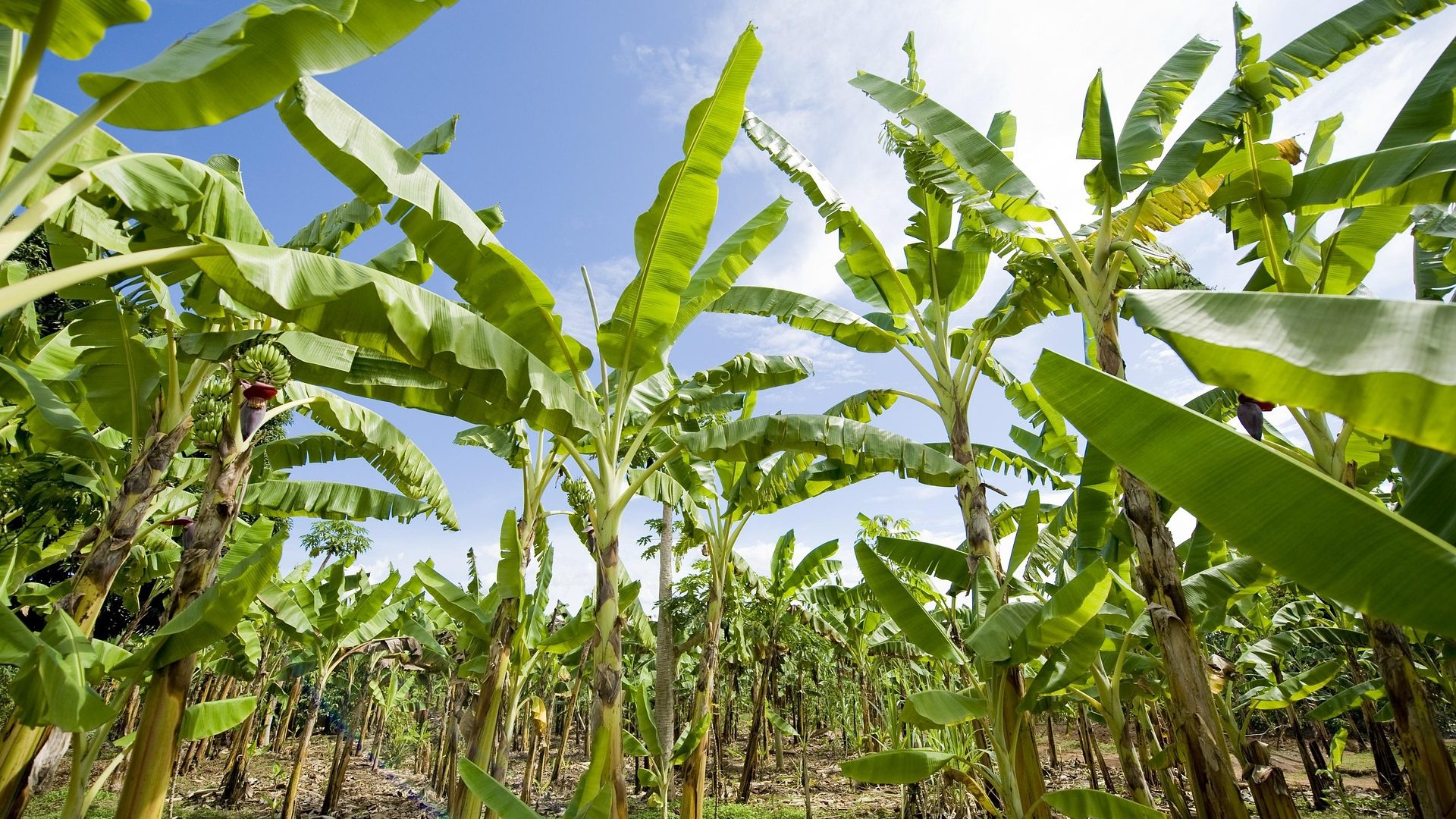
Rows of banana plants under an open Ugandan sky — the origin pillar behind Mashamba's guide to why buyers source fresh produce from Uganda
Start Here · Origin Pillar

Why Source Fresh Produce From Uganda

The origin case for buyers — Uganda's equatorial climate, fertile soils, year-round supply and distinctive varieties, and how export-grade produce reaches the UK, Europe and Gulf in days.

Read the origin guide
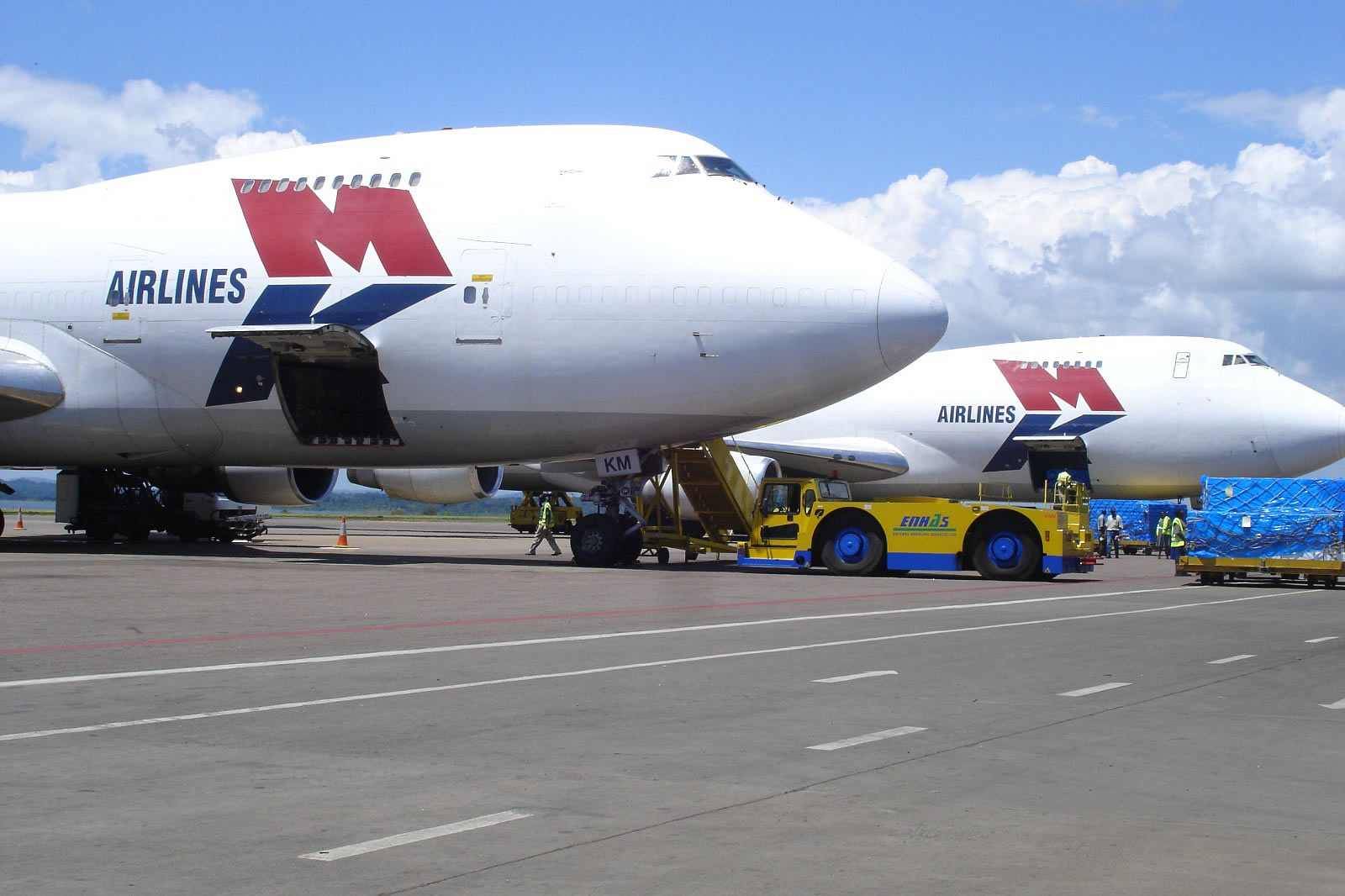
Cargo aircraft loading at Entebbe International Airport — Mashamba's Ugandan airfreight export process guide
Guide · Process

The Airfreight Export Process

How export-grade Ugandan produce travels from farm to international airport — sourcing, quality control, cold chain, packing, documentation and dispatch from Entebbe, step by step.

Read the process guide
Export documents being signed and checked at a desk — Mashamba's Ugandan export documentation and compliance guide
Guide · Compliance

Export Documents That Clear the Border

The five-document export pack behind every shipment — what each one proves, who issues it, and how correct paperwork keeps produce moving through customs without delay.

Read the documentation guide
An airliner climbing after take-off — Mashamba's Entebbe to London air route briefing for produce buyers
Guide · Logistics

The Entebbe–London Air Route

How fresh produce flies nonstop from Entebbe to London, why a direct route protects shelf life, and what the UK air link means for planning your orders and lead times.

Read the route briefing
How They Fit Together

Source, Document,
Then Ship

Read together, the four guides answer one buyer question: can I rely on this supply? They begin at the source — why buyers source fresh produce from Uganda — the climate, varieties and year-round growing that make the origin worth your attention.

From there the journey follows one shipment from field to shelf. It starts with the airfreight export process — sourcing the right crop, controlling quality and cooling produce before it ever reaches the airport.

Next comes the paperwork. Every shipment travels with a pack of export documents that prove it is safe, traceable and correctly declared. Get these right and produce clears the border without delay; get them wrong and even perfect produce can sit and spoil.

Finally the produce flies. A direct route, or a well-chosen one-stop service, carries it to market, and the gateway it lands at shapes how quickly it reaches your depot. The same care applies whether you are sourcing Uganda's hot peppers or any of our other crops.

Origin, process, documentation, route — four links in one chain. A reliable exporter manages them all, so you can focus on selling fresh produce rather than chasing it.
Resources FAQs

About These
Export Resources

Quick answers about these guides and sourcing from Uganda. For detailed buyer, compliance and route questions, each guide carries its own FAQ. Need something specific? Speak with our export team.

What do Mashamba's Ugandan produce export guides cover?
Four things, in plain English: why Uganda is worth sourcing from, the airfreight export process, the export documents that clear each shipment, and the direct Entebbe–London air route. Together they explain how Ugandan produce reaches your market.
Who are these export resources written for?
International wholesale buyers — importers, distributors, and retail or food-service procurement teams — who are considering or already sourcing fresh produce from Uganda. The guides assume no prior knowledge of Ugandan export, yet stay practical enough to help experienced buyers.
Where should I start if I'm new to importing from Uganda?
Start with the pillar guide on why to source from Uganda, then the airfreight export process — how produce moves from farm to airport. After that come the documentation guide and the route briefing. If you would rather talk it through, our export team is happy to help.
Are these export guides free to read, or do I need to register?
They are completely free, with no sign-up, paywall or form to fill in. Everything sits on the page, so you can read, bookmark or share any guide straight away. We would rather you arrive well-informed than gate the knowledge behind a form.
What should buyers look for in a reliable Ugandan produce exporter?
Look for control of the whole chain: cold storage from harvest, careful grading, a complete export-document pack, and dependable airfreight booking. Ask for temperature records and buyer references before you commit. These guides explain what good practice looks like at each stage.
How are these guides different from a supplier brochure?
A brochure sells; these guides teach. Rather than list what we offer, they explain how Ugandan produce is grown, documented and flown to your market. That way you can buy with confidence, whether from us or from anyone else.
Do I need to read all four guides, or can I focus on one?
You can read whichever guide fits your question. If you are new to sourcing from Uganda, the four work best in order — start with why Uganda, then process, documentation and route. Each one also stands alone, so you can go straight to the topic you need.
What are the benefits of sourcing Ugandan produce directly from the exporter?
Sourcing directly shortens the chain between farm and shelf. You deal with the team that grades, documents and ships your produce, which means clearer traceability, fewer handovers and a direct point of contact. These guides explain how that direct export supply works in practice.
How current are these guides, and how often are they updated?
Each guide shows when it was last reviewed and is kept up to date as routes, rules and practices change. Details such as flight frequency or border requirements can shift, so we revise the guides and recommend confirming time-sensitive specifics with our team before you ship.
What if I still have questions after reading the guides?
Our export team is happy to help. You can talk through your crops, volumes and destination market, or request an export quote when you are ready. The guides are a starting point; a short conversation usually answers anything specific to your business.
Ready to Source?

Put the Guides
to Work.

Tell us your crops, volumes and destination market, and we'll prepare a tailored export quotation — with a reply within one business day.